The Ongoing Debate Over Loot Boxes: A Closer Look at the Controversy
Video games have evolved over the years into complex, immersive worlds where players can live out their fantasies, compete with friends, and explore vast landscapes. However, one feature that has caused quite a stir in the gaming community and beyond is the inclusion of loot boxes. Loot boxes are virtual items that players can purchase or earn in games, often containing random rewards like cosmetics, in-game currency, or even power-ups that could impact gameplay. While some see them as harmless fun, others believe they represent a form of gambling that preys on vulnerable players, especially younger audiences.
In this article, we’ll take a deep dive into the ongoing debate surrounding loot boxes in video games. Are they an acceptable part of modern gaming, or do they represent a dangerous trend in game monetization? Let’s explore both sides of the argument, the pain points that arise, and the bigger questions that loom over the future of gaming.
Loot Boxes: A Game-Changer or a Money Grab?
Loot boxes first gained attention when they became a standard feature in free-to-play games, offering players a way to enhance their experience without having to pay for the full game. In essence, they were a way for game developers to generate continuous revenue from players after the initial purchase. But there’s a catch: Loot boxes are often sold at a premium, and they typically contain random items that may or may not be useful. This randomness is what keeps players coming back—hoping that the next box might contain a rare item that will give them a competitive edge or just something cool to show off.
The inclusion of loot boxes has led to an important question—how much should players pay to access these virtual treasures? Should game developers allow players to buy a “better chance” at winning the rarest items, essentially paying to win? These questions have been at the heart of the loot box debate. While some defend loot boxes as harmless fun, others argue that this monetization model creates a “pay-to-win” environment, where those with the most money have an advantage over players who cannot afford to keep buying loot boxes.
The Gambling Argument: Are Loot Boxes a Form of Gambling?
At the core of the controversy lies the argument that loot boxes are a form of gambling. Many critics point out that loot boxes share many characteristics with traditional gambling, such as the element of chance, the desire to win rare or valuable items, and the fact that players often spend significant amounts of money on them without knowing exactly what they will receive in return.
Loot boxes can be particularly problematic for young players, who may not fully understand the implications of spending real money on virtual goods that offer no guarantees. Research has shown that the same psychological triggers that make gambling addictive, such as the thrill of winning or the disappointment of losing, can be present when engaging with loot boxes. The fear is that loot boxes may serve as a gateway to more serious gambling behavior, especially if players become conditioned to think that spending money to win is acceptable.
Some countries have already started taking action against loot boxes, classifying them as a form of gambling and implementing regulations to curb their influence. For instance, Belgium and the Netherlands have banned the sale of loot boxes in certain games, arguing that they violate gambling laws. In contrast, other countries like the United States have yet to take concrete steps, leaving the situation in a state of uncertainty.
The Developer’s Perspective: Why Loot Boxes Make Sense
From the perspective of game developers, loot boxes offer a way to sustain their games and keep players engaged over time. Many free-to-play games rely heavily on loot boxes as a monetization model. Games like Fortnite, Apex Legends, and Overwatch use loot boxes as a way to offer cosmetic items—such as skins, outfits, and emotes—without charging players for the game itself. Developers argue that these systems help fund the development of free-to-play games and keep them alive through continuous updates, expansions, and events.
Moreover, loot boxes can also be seen as a way to reward players for their time spent in the game. By offering random rewards, developers create a sense of excitement and anticipation each time a loot box is opened. This keeps players coming back, creating a dynamic, engaged community. For developers, the loot box system allows them to strike a balance between providing players with a free experience while simultaneously generating revenue.
However, the backlash against loot boxes has led many developers to reconsider their approach. Some games have shifted away from randomized loot boxes entirely, offering more transparent ways of acquiring in-game items, such as direct purchases or earnable rewards. While this may appease critics, it raises questions about the future of loot boxes in the industry. Will developers be forced to abandon the model entirely, or will they find ways to make it more ethical and transparent?
Impact on Players: The Allure and Consequences of Loot Boxes
For many players, the thrill of opening a loot box is part of the fun of gaming. The feeling of excitement when a rare or legendary item appears on the screen is one of the reasons why loot boxes are so appealing. However, there’s a darker side to this excitement—players can quickly fall into the trap of spending more money in an attempt to collect all the rare items or complete their collection.
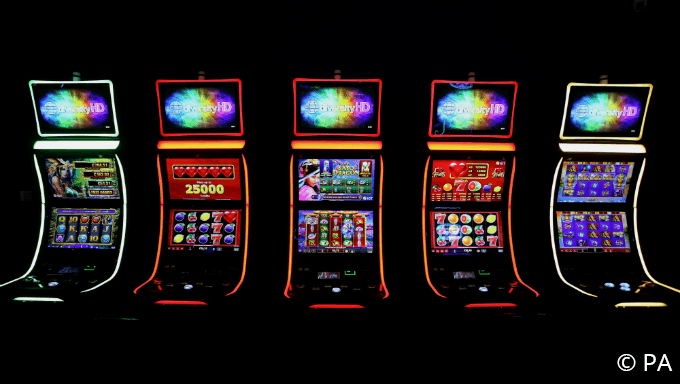
The issue lies in the addictive nature of loot boxes. Like slot machines, loot boxes provide players with intermittent rewards, which has been shown to trigger the brain’s pleasure centers. This “reward schedule” is a key factor in gambling addiction, and many fear that loot boxes might be creating a generation of gamers who are conditioned to seek instant gratification through spending money on virtual items.
The consequences of this behavior can be far-reaching. Players, especially younger ones, might rack up significant bills by purchasing loot boxes over time. In some cases, this can lead to financial strain, frustration, and even feelings of regret once the initial excitement of acquiring new items wears off. Moreover, games that heavily rely on loot boxes can create a divide between players who can afford to buy loot boxes and those who cannot, leading to issues of inequality and a “pay-to-win” mentality that detracts from the overall gaming experience.
What About Slot88 Gacor Game and QQ Online Game?
While loot boxes have stirred up controversy, some online games, such as slot88 gacor game and qq online game, offer a different approach to in-game rewards and monetization. These games often feature similar mechanics, where players engage in games of chance to win virtual items or currency. In games like slot88 gacor game, the focus is typically on achieving big payouts through slots, while qq online game offers various competitive features with in-game purchases.
Both games employ different reward systems but also tap into the concept of luck and chance. While not necessarily the same as loot boxes, they do raise similar questions about the role of chance and money in gaming. Are players simply gambling in a virtual world, or are they playing for fun? The line can be blurry, and players often find themselves caught up in the excitement of chasing that big win, whether it’s a jackpot on a slot game or an epic loot drop in a QQ game.
While these games might seem distinct from the loot box model, they share some of the same psychological triggers, leading many to wonder if they could be contributing to the same issues.
Can Loot Boxes Be Fixed?
The big question many gamers and industry experts are asking is whether loot boxes can be fixed. Are there ways to make them more ethical and transparent? Some believe that loot boxes could be restructured to address the concerns surrounding gambling. For example, developers could implement clear, non-random systems where players know exactly what they’re getting for their money. Another potential solution is to limit the amount of money players can spend on loot boxes in a single session or day, thereby reducing the risk of excessive spending.
Others argue that games should adopt a model that allows players to earn every item in the game without needing to purchase loot boxes. Many free-to-play games have already started moving in this direction, offering battle passes or other forms of earned progression that don’t rely on random chance. By shifting away from loot boxes and offering more predictable, earnable rewards, developers could create a healthier environment for players while still monetizing their games effectively.
The Future of Loot Boxes: What Lies Ahead?
As the debate over loot boxes continues, the future of this feature in gaming remains uncertain. Some see loot boxes as a necessary evil for supporting free-to-play games, while others view them as a threat to the integrity of the gaming experience. With governments considering regulations and players becoming more vocal about their concerns, it’s clear that the gaming industry will need to find a balance between monetization and ethical game design.
Ultimately, the future of loot boxes will depend on how developers respond to the ongoing controversy. Will they continue to embrace the model, or will they pivot to more transparent, player-friendly alternatives? Only time will tell, but one thing is certain: The conversation around loot boxes is far from over.
Conclusion: The Final Word on Loot Boxes
Loot boxes represent one of the most divisive issues in the world of gaming today. While they offer a way for developers to monetize their games, they also raise serious concerns about fairness, addiction, and the ethics of random rewards. Whether you’re a player, a developer, or just an observer, it’s important to keep the conversation going and explore ways to make gaming a fun and sustainable experience for everyone.
By continuing to ask questions, challenge the status quo, and push for change, we can ensure that the future of gaming is not only exciting but also responsible and ethical.