
Intuitive game selection: how to understand what you want right now
Choosing a game often turns into an agonizing process of scrolling through a Steam library, where the sheer number of shortcuts makes it impossible to see your own true desire. I believe the problem lies in the attempt to choose with the head, analyzing ratings or the relevance of patches, rather than listening to one’s internal state. We are used to forcing ourselves into the framework of familiar genres, forgetting that the brain requires different types of stimulation depending on how the day went. Intuitive selection is a skill that allows you to transform gaming from an automatic habit into a real way of recovery or a release of energy.
Competitive Drive as a Readiness Marker
Sometimes a strange mix of vigor and light aggression builds up inside, which is best directed into a constructive channel. In such moments, I want to test my reflexes and make quick decisions in stressful situations. This state is characterized by high concentration, where the brain demands a real challenge rather than just entertainment. I believe that ignoring this impulse means missing a peak form where personal records are set and the most complex mechanics are mastered.
Determining this internal resource is helped by passive observation of the professional scene. If, by watching dota 2 matches in search of inspiration or analyzing strategies, you quickly understand that you have the mental energy for a difficult session, the choice becomes obvious. When the sight of others’ mistakes triggers a desire to jump in and show how it is done, the time for a serious confrontation has arrived. It is a litmus test: if you involuntarily calculate actions in advance, your readiness is at its peak.
Games like Counter-Strike 2 or Street Fighter 6 serve as an excellent test of strength, where any loss of focus leads to defeat. In these projects, every millisecond counts, and if intuition suggests you are in good shape, the result brings immense satisfaction. Ultimately, competitive gaming in the right mood turns from a source of stress into a tool for releasing excess adrenaline. It is important to recognize this drive and not waste it on meditative activities that would only cause irritation.
Aesthetic Hunger and Visual Peace
There are days when the only thing you truly want is to change the picture before your eyes and completely shift the responsibility for any result. I call this seeking a “visual sanctuary”, where game mechanics and scoring points become secondary to atmosphere and pace. In such moments, intuition leads to projects with a low entry barrier and a high degree of contemplativeness, allowing the mind to rest from information overload.
Good examples of such an experience are Abzû or Gris, where you literally go with the flow, allowing the music and changing colors to crowd out the daily hustle. There is no room for losing or the need to prove superiority; it is about being in a space that does not require you to be the best. You simply watch watercolor landscapes come to life, which gives the psyche a necessary breathing space.
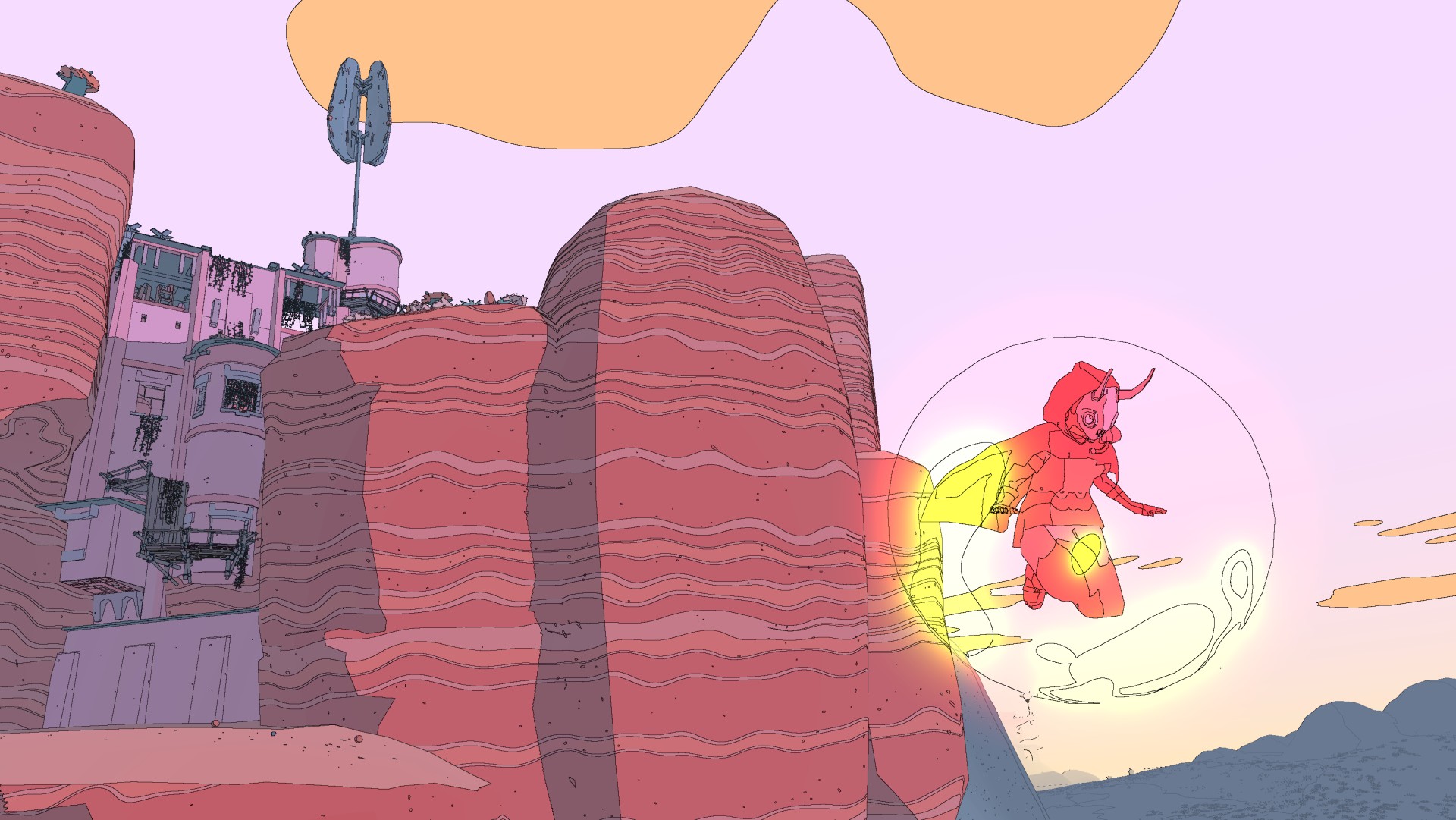
I believe such games work as digital therapy, helping to restore emotional balance after a hard day. When you choose a project like Journey or Sable, you are subconsciously looking for harmony rather than new reasons for tension. This intuitive switch to aesthetics allows you to unload the cognitive sphere and enjoy the beauty of the virtual world, turning gaming into deep relaxation.
Creation vs. Destruction
When too much chaos and uncertainty accumulate in reality, I often feel a need for games where I can organize something or build it from scratch. This is an intuitive craving for control, which we realize through resource management, architecture, or planning complex systems. In such moments, launching a detailed simulator like Cities: Skylines II or the meditative yet logic-demanding Satisfactory works much better for restoring strength than simple passive pastime.
The process of creation allows you to feel a direct connection between the effort applied and the visible result, which we sometimes lack in everyday life. You create logical chains, optimize processes, and see the fruits of your labor in real time. Gradually, a feeling arises that your thoughts are coming into order along with the growth of a virtual city or an automated factory. This is a clear example of how a game helps to structure the inner world using external tools and clear rules.
Beyond large-scale construction, this need for control can manifest in more local tasks, such as organizing space in Unpacking or restoring old houses in House Flipper. Such games provide an opportunity to establish perfect order where it depends entirely on you. I believe that choosing such projects is not a way to run away from problems, but an effective mental exercise that helps the psyche regain a sense of confidence and calm through creative activity.
Thirst for Story and Empathy
Sometimes the brain just wants to “switch off” one’s own personality and live another life to experience emotions lacking in the daily routine. Choosing deep RPGs or interactive cinema usually signals a subconscious need for new impressions or a shift in perspective. During these periods, I focus on whether I am ready to engage with long dialogues and take responsibility for moral decisions that change virtual worlds.

Monumental projects like The Witcher 3: Wild Hunt or Baldur’s Gate 3 require full mental engagement and readiness for a long journey. If intuition gives a clear “yes”, it becomes the best immersion for dozens of hours, allowing you to live through an epic saga. In this state, you are ready to empathize with companions and analyze political intrigues, forgetting your own worries.
If there is no strength for massive amounts of text, yet the need for a story remains – short projects like Firewatch or What Remains of Edith Finch come to the rescue. They provide a concentrated emotional experience in one or two evenings without excessive actions. I believe that switching to a high-quality narrative helps fill an emotional deficit and look at familiar things from a different angle, using the game as a safe testing ground for feelings.
Conclusion
Understanding your true desires in gaming eliminates the guilt associated with “aimlessly wasted time.” If you learn to listen to yourself, a game stops being just a time-killer and becomes a precise tool for mood regulation. You should not force yourself to finish a blockbuster hit if today you are drawn to a simple indie project or an old classic. Ultimately, the best choice is the game after which you feel better than you did before launching it.